What Is Metal Roofing?
Metal roofing is a durable roof system made from steel, aluminum, or other metals formed into panels or shingles, designed to deliver long service life, strong weather protection, and a clean, modern appearance. It is used on both steep-slope and low-slope roofs and is popular for homes, commercial buildings, farm structures, and architectural projects where longevity and curb appeal matter.
Key Features and Construction
- Materials
Most modern metal roofs use coated steel (galvanized or Galvalume) or aluminum panels to resist rust and corrosion. Premium options like copper and zinc are also available for high-end or architectural projects.
- Panel styles
Common systems include standing seam panels (concealed fasteners), exposed-fastener panels (ribbed/agricultural panels), and metal shingles or tiles stamped to mimic shakes, slate, or traditional shingles.
- Thickness and weight
Residential steel panels are typically 24–29 gauge, with lower gauge numbers indicating thicker, more impact-resistant metal. Metal roofing is relatively lightweight compared to many other roof systems, which reduces stress on the structure and is helpful in re-roof applications.
- Coatings and finishes
Factory-applied paint systems and reflective “cool roof” coatings help resist fading, improve corrosion resistance, and reflect sunlight to reduce cooling loads. Many systems carry long-term finish warranties from the manufacturer.
Installation Methods
- Standing seam (concealed fastener)
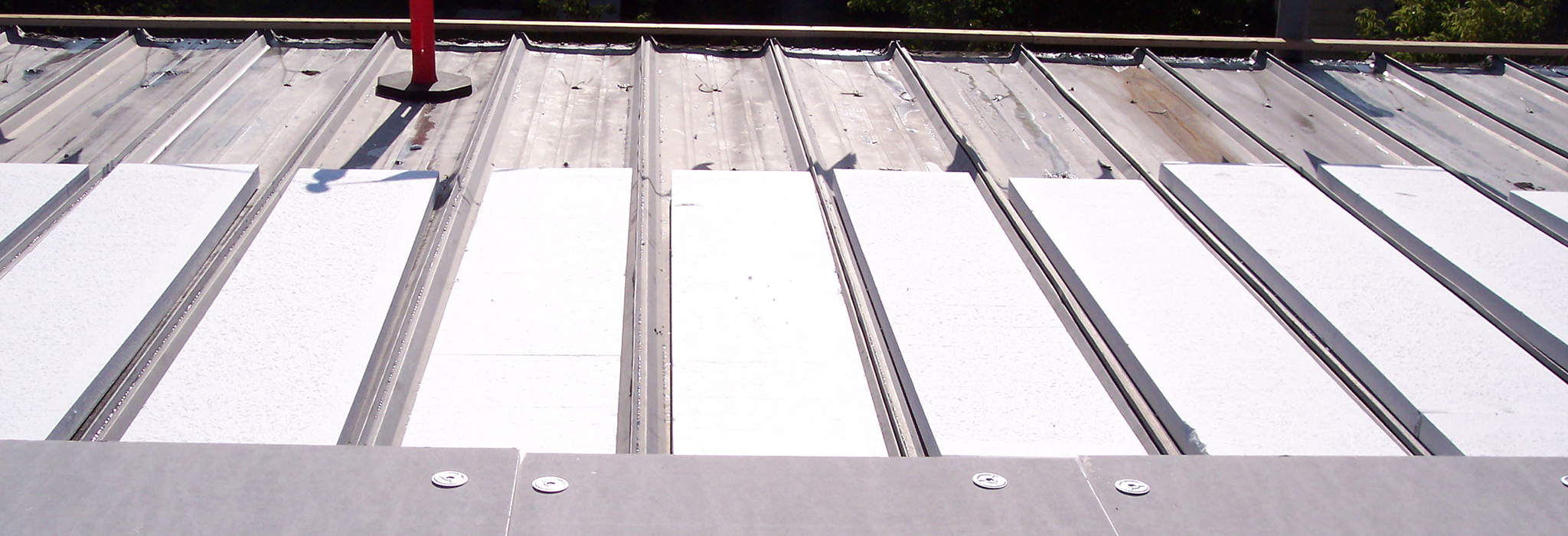
Vertical metal panels lock together with raised seams that conceal fasteners, creating a sleek look and strong water-shedding performance. This system is usually installed over underlayment and sometimes over a solid deck or purlins, with clips that allow for thermal expansion.
- Exposed fastener panels
Ribbed metal panels are attached with visible screws through the face of the panel into the deck or framing. This method is faster and less expensive to install but requires more frequent inspection and maintenance of fasteners and sealants.
- Metal shingles and tiles
Smaller interlocking panels shaped like traditional shingles, shakes, or tiles are installed in courses over a solid deck. These systems offer a more traditional residential look with the performance benefits of metal.
Proper detailing at penetrations, flashings, and transitions is critical; many leaks originate at seams, fasteners, and flashing points rather than the metal panels themselves.
Performance, Lifespan, and Maintenance
- Lifespan
Well-installed metal roofs in the proper application often last 30–60 years or more, significantly longer than typical asphalt shingles. Standing seam systems with quality coatings frequently deliver 50+ years of service with relatively minimal upkeep.
- Weather performance
Metal roofing offers excellent resistance to wind, hail, heavy rain, and snow shedding. Steel roofs also provide Class A fire resistance, an advantage in wildfire-prone or rural areas.
- Energy and comfort
Reflective coatings and “cool metal roofing” designs can reduce heat gain, lower attic temperatures, and improve cooling efficiency in warm weather. Paired with proper insulation and underlayment, metal roofs can also help stabilize indoor comfort year-round.
- Maintenance
Routine maintenance mainly involves periodic inspections to check fasteners, sealant, flashings, and any surface damage. Addressing loose fasteners, deteriorated sealant, or early corrosion quickly helps prevent leaks and extend roof life.
Pros and Cons at a Glance
Advantages
- Long service life: With the proper application/slope many metal roofs last 30–60 years, often outlasting multiple shingle replacement cycles.
- Durability: Strong resistance to wind, hail, snow, fire, and general weathering.
- Energy efficiency: Reflective finishes and cool-metal options help reduce cooling costs in sunny, warm climates.
- Low weight: Lighter than many traditional systems, which is helpful for re-roofs and structures with limited load capacity.
- Curb appeal: Wide range of colors and profiles, from modern standing seam to traditional shingle and tile looks.
- Sustainability: High recycled content and full recyclability at end of life; long lifespan reduces landfill waste.
Limitations
- Higher upfront cost: Quality metal systems, especially standing seam, typically cost more initially than asphalt shingles.
- Noise potential: Rain and hail can be louder on metal roofs if the assembly isn’t properly insulated and detailed.
- Movement and detailing: Thermal expansion and contraction can stress fasteners and flashings if not properly designed and installed.
- Maintenance for exposed fasteners: Roofs with exposed screws require periodic tightening and replacement of fasteners and sealant to stay watertight.
- Scratches and corrosion risk: Poor-quality coatings or damage to finish can lead to rust, especially on steel in harsh environments.
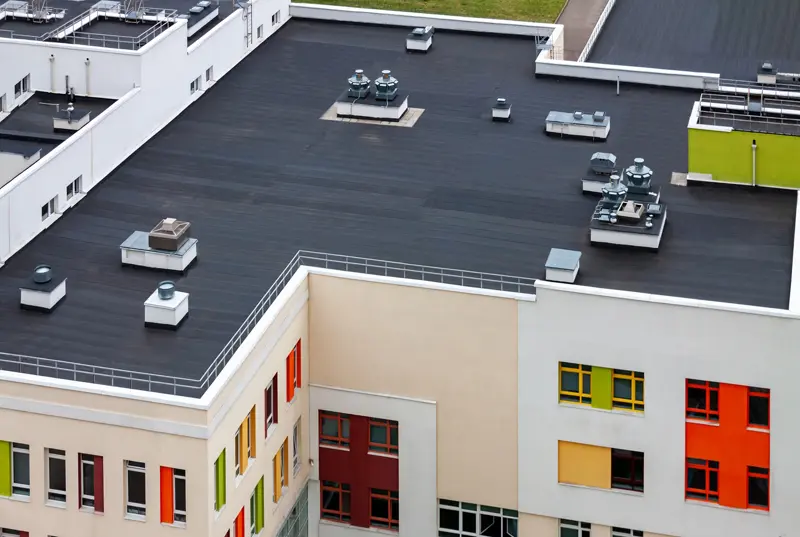
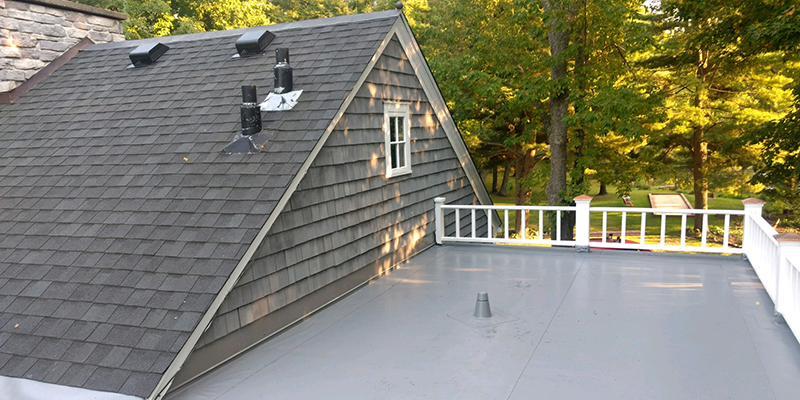
- Ice dams: Metal roofs installed on low sloped or flat roofs are prone to ice dams forming and causing water to back up under seams causing leaks.
- Condensation: Metal roofs improperly insulated and sealed can accumulate condensation on the underside of the metal causing water damage when weather warms up and the condensation/frost melts.
What Will I See If My Metal Roof Is Leaking?
Metal roofs often leak at details rather than through the field of the panels, so most warning signs show up around seams, fasteners, and flashings.
Inside the Building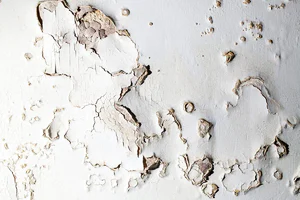
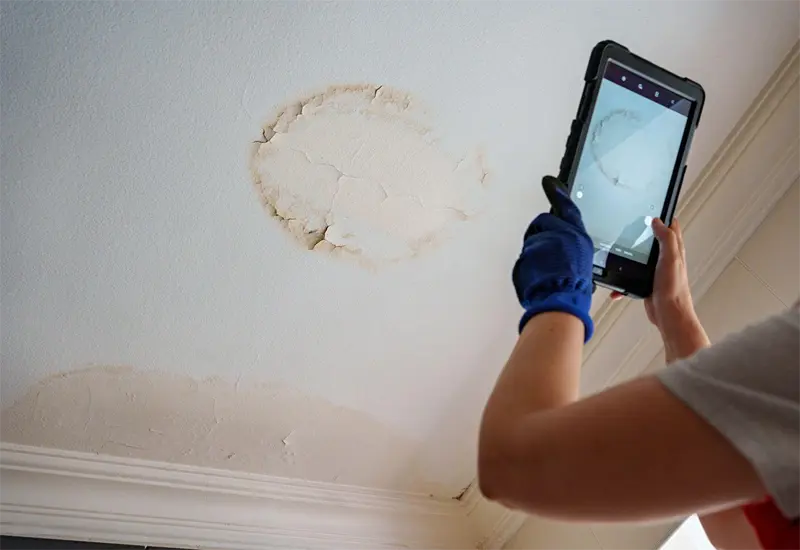
- Water stains on ceilings or upper walls, especially after wind-driven rain or snow melt.
- Intermittent drips or damp spots that may appear some distance away from the actual roof penetration or seam.
- Peeling paint, bubbling drywall, or soft, discolored ceiling areas beneath roof valleys, skylights, or vent penetrations.
- Musty smells, visible mold spots, or damp insulation in the attic or top-floor cavities.
On Top of the Roof
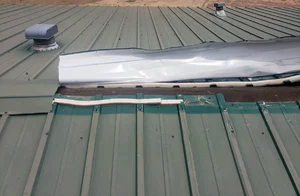
- Rust or discoloration on panels, especially around fasteners, seams, or flashing transitions.
- Loose, backed-out, or missing screws and clips, which create gaps where water can enter.
- Open seams, panel separation, or lifted edges where wind or movement has created visible gaps.
- Cracked, missing, or deteriorated sealant around penetrations (vents, chimneys, skylights) and at ridge, eave, or sidewall flashings.
- Localized ponding or debris accumulation in valleys or behind equipment that can trap water and accelerate corrosion.
If you see any of these signs, a timely inspection by Fischer Roofing can pinpoint the source and recommend repair options before structural damage or interior finishes are significantly affected.