What Is EPDM Roofing?
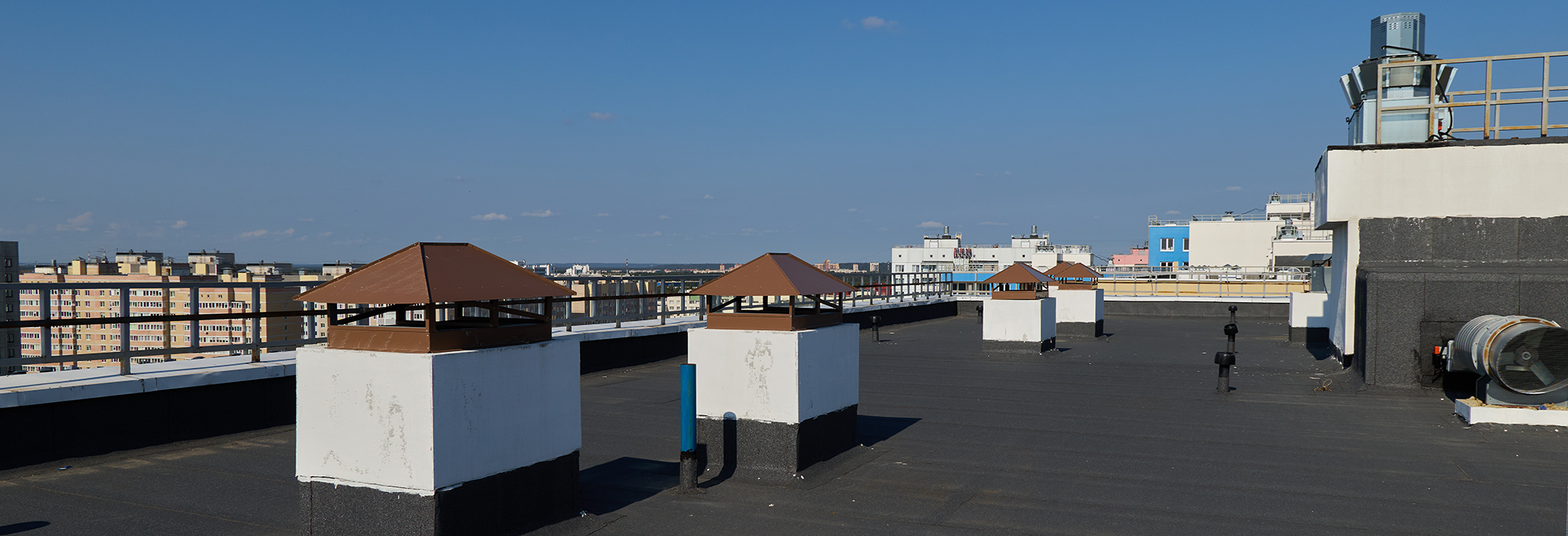
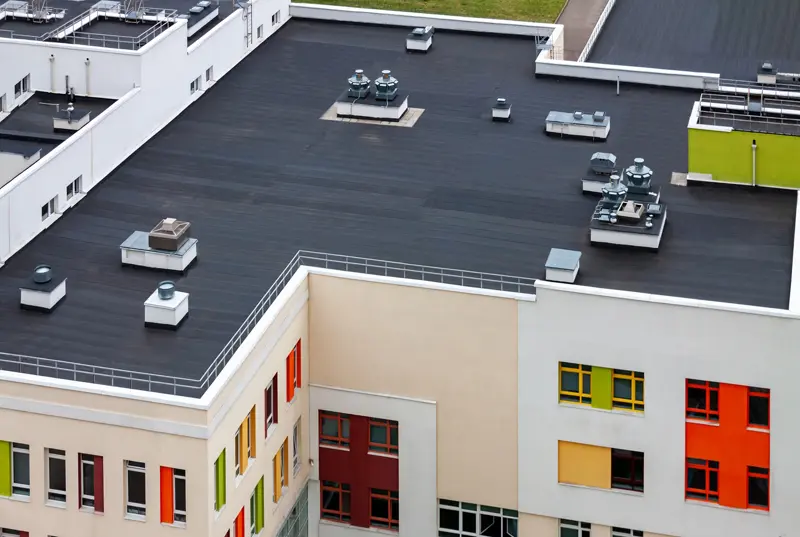
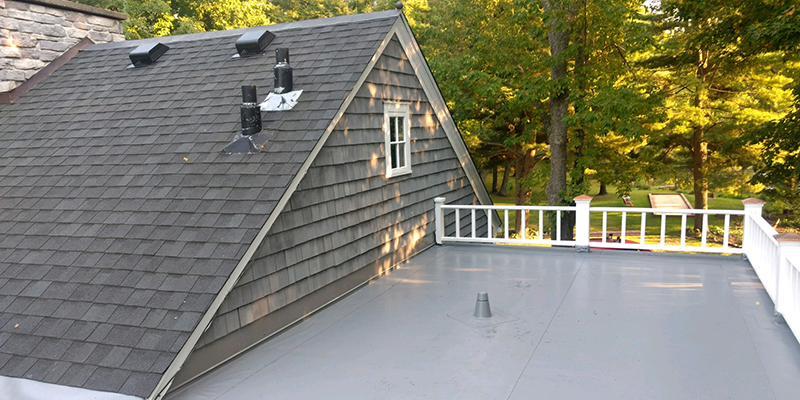
EPDM is a flexible rubber membrane made from ethylene and propylene derived from oil and natural gas, engineered for durability on flat and low-slope roof systems. It is installed as one continuous single-ply layer rather than multiple built-up layers like that of a tar and gravel system. This simplifies the roof system and speeds up installation.
Key Features and Construction
- Material: Synthetic rubber membrane formulated to resist UV, ozone, and general weathering.
- Thicknesses: Common roofing thicknesses are 45 mil, 60 mil, and 90 mil.
- Sizes: Manufactured in large sheets and rolls, often 7.5 feet up to 50+ feet wide, which helps minimize seams on larger roofs
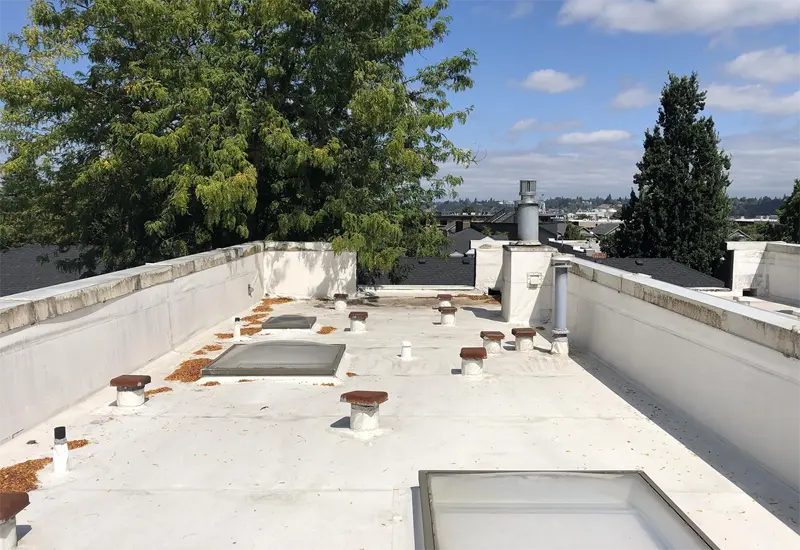
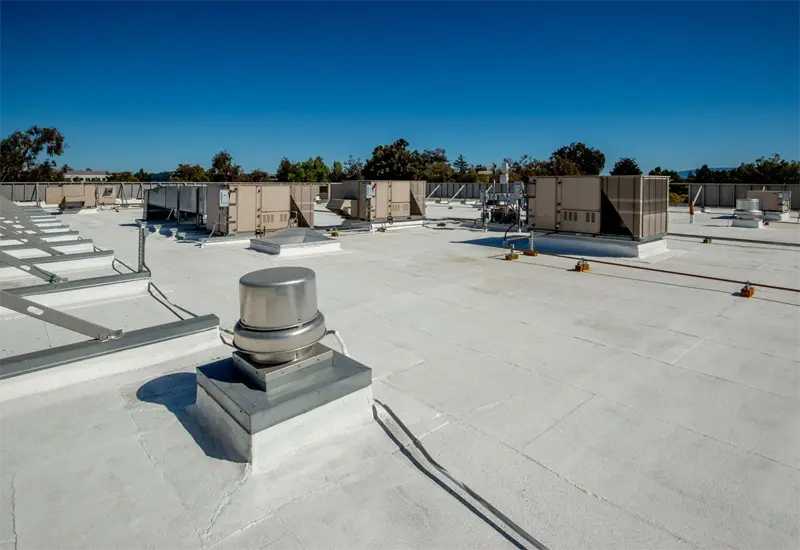
- Colors: Standard EPDM is black, with white and other light colors available for enhanced reflectivity and energy performance in warm climates
Black EPDM tends to absorb solar heat and is often favored in colder climates, while white EPDM reflects more sunlight and can help reduce cooling loads in hot regions.
Installation Methods
EPDM can be installed with several professional systems depending on building design, climate, and budget.
- Fully adhered
The membrane is glued directly to the prepared substrate, delivering strong wind uplift resistance and a clean, smooth appearance.
- Mechanically fastened
Fasteners and plates secure the membrane through the insulation to the roof deck, often offering a faster and more economical install on large commercial projects.
- Ballasted
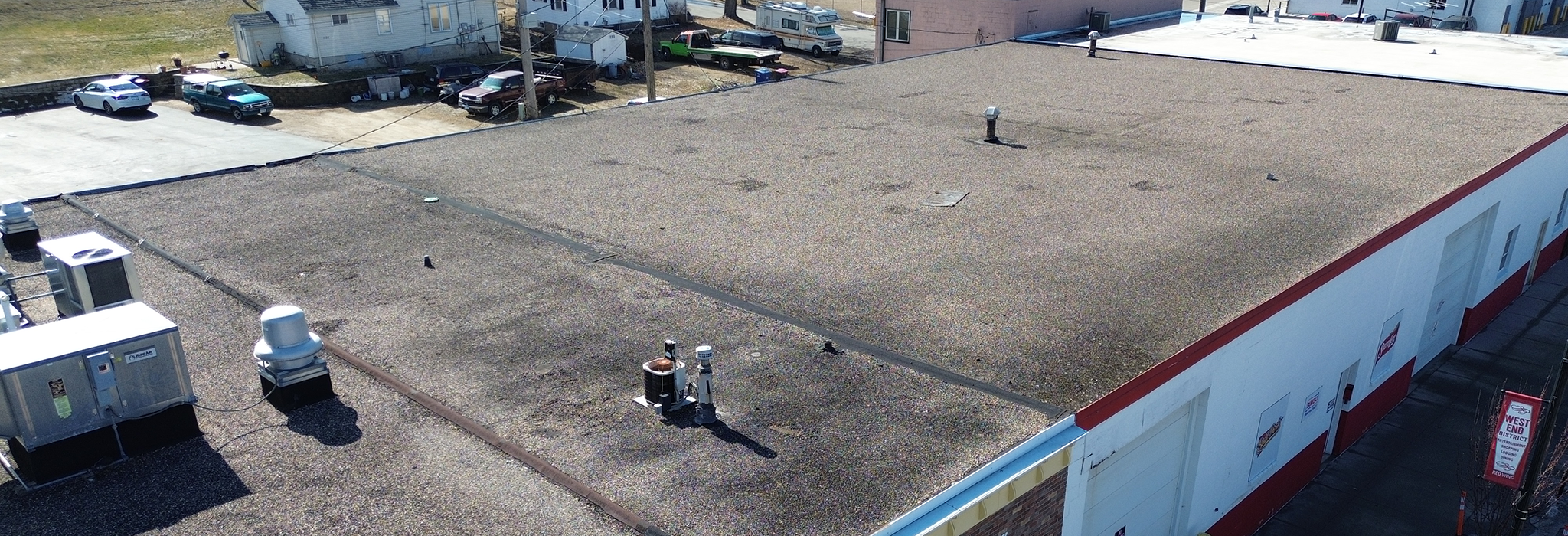
The membrane is laid loose and held in place with stone or pavers, using the ballast’s thermal mass for energy efficiency and protection from UV and impact
EPDM seams are typically glued or taped rather than heat-welded, which makes installer skill and detailing critical to long-term performance
Performance, Lifespan, and Maintenance
- Lifespan: Properly installed and maintained EPDM roofs commonly last 15-20 years.
- Weather resistance: EPDM is highly resistant to UV, ozone, hail, and temperature extremes, maintaining flexibility without becoming brittle.
- Weight: The membrane is lightweight, making it suitable for many existing structures without significant structural upgrades.
- Maintenance: Routine care usually consists of semi-annual inspections, debris removal, and prompt patching of any punctures or seam issues.
Minor punctures and localized seam separations are typically fast and economical to repair compared with many other flat-roof systems. However, if it is a rock ballasted system it may take longer to find these issues due to having to shovel the rock away from the area.
Pros and Cons at a Glance
Advantages
- Cost-effective: Installed cost often ranges roughly from about $9 to $20+ per square foot, making EPDM one of the more affordable commercial and residential flat-roof options.
- Low maintenance: Infrequent, simple maintenance and straightforward repairs help keep lifecycle costs down.
- Eco-friendly: EPDM is recyclable and can be part of energy-efficient roof assemblies, especially with light-colored membranes or appropriate insulation.
- Versatile: Well-suited for commercial buildings, warehouses, offices, garages, porches, and other low-slope applications with many penetrations.
Limitations
- Shrinkage: Over many years, EPDM can slowly shrink, which may stress flashings and seams if not properly designed and maintained.
- Long service life: Many EPDM roofs deliver 15–20 years of service, with few exceptions where they may last much longer.
- Puncture risk: Standard EPDM has relatively low puncture resistance and can be vulnerable to sharp objects or heavy foot traffic; thicker sheets and ballast help mitigate this.
- Aesthetics: The look of a black rubber membrane is generally considered less attractive than options like metal, shingles, or architectural coatings.
- Heat absorption: Dark EPDM absorbs heat, potentially increasing cooling loads in hot climates unless white membranes or coatings are used.
What Will I See If My EPDM Roof Is Leaking?
Even a small EPDM issue can stay hidden for a while, but your building will usually give you visual clues long before a major problem develops.
Inside the Building
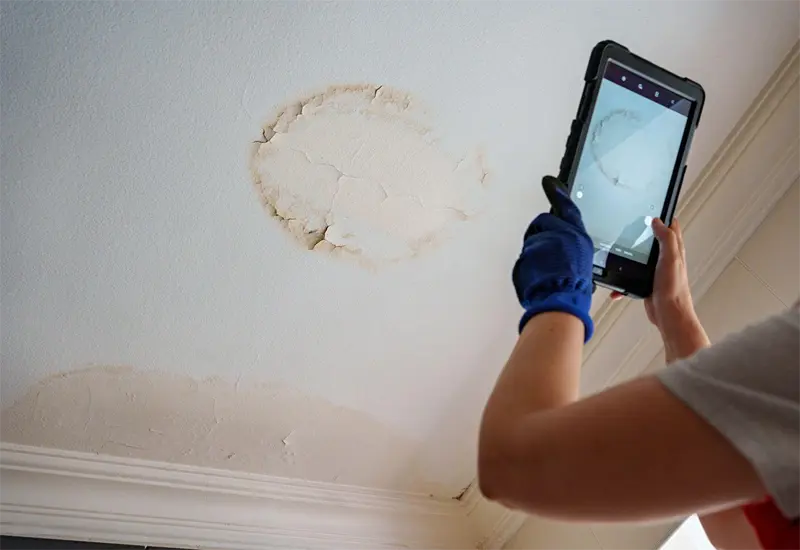
- Water stains on ceilings or upper walls, often yellow or brown “rings” that slowly spread over time.
- Active drips during or right after a rain or snow melt, sometimes showing up several feet away from where the water is actually entering the roof system.
- Peeling, bubbling, or blistering paint or drywall, especially near exterior walls or around skylights and roof penetrations.
- Musty odors, elevated humidity, or visible mold spots on ceilings and upper walls, which can indicate long-term, slow moisture intrusion.
- In attics or top-floor cavities: damp or discolored insulation, darkened wood, or rust on metal components directly under the roof.
On Top of the Roof
- Visible punctures, cuts, or worn spots in the membrane from branches, dropped tools, or foot traffic.
- Seams or edges starting to open, lift, or show gaps where two sheets meet or where the membrane turns up a wall or curb.
- Bubbles, blisters, or soft “spongy” areas under the membrane, which can indicate trapped moisture or adhesive failure.
- Shrinkage or pulling at the perimeter, where the membrane looks tight and is drawing away from edges, flashings, or penetrations.
If you see any of these signs—inside or out—call Fischer Roofing Co. The Commercial Flat Roof Experts for a roof inspection quickly so minor repairs don’t turn into structural damage or a full replacement.